
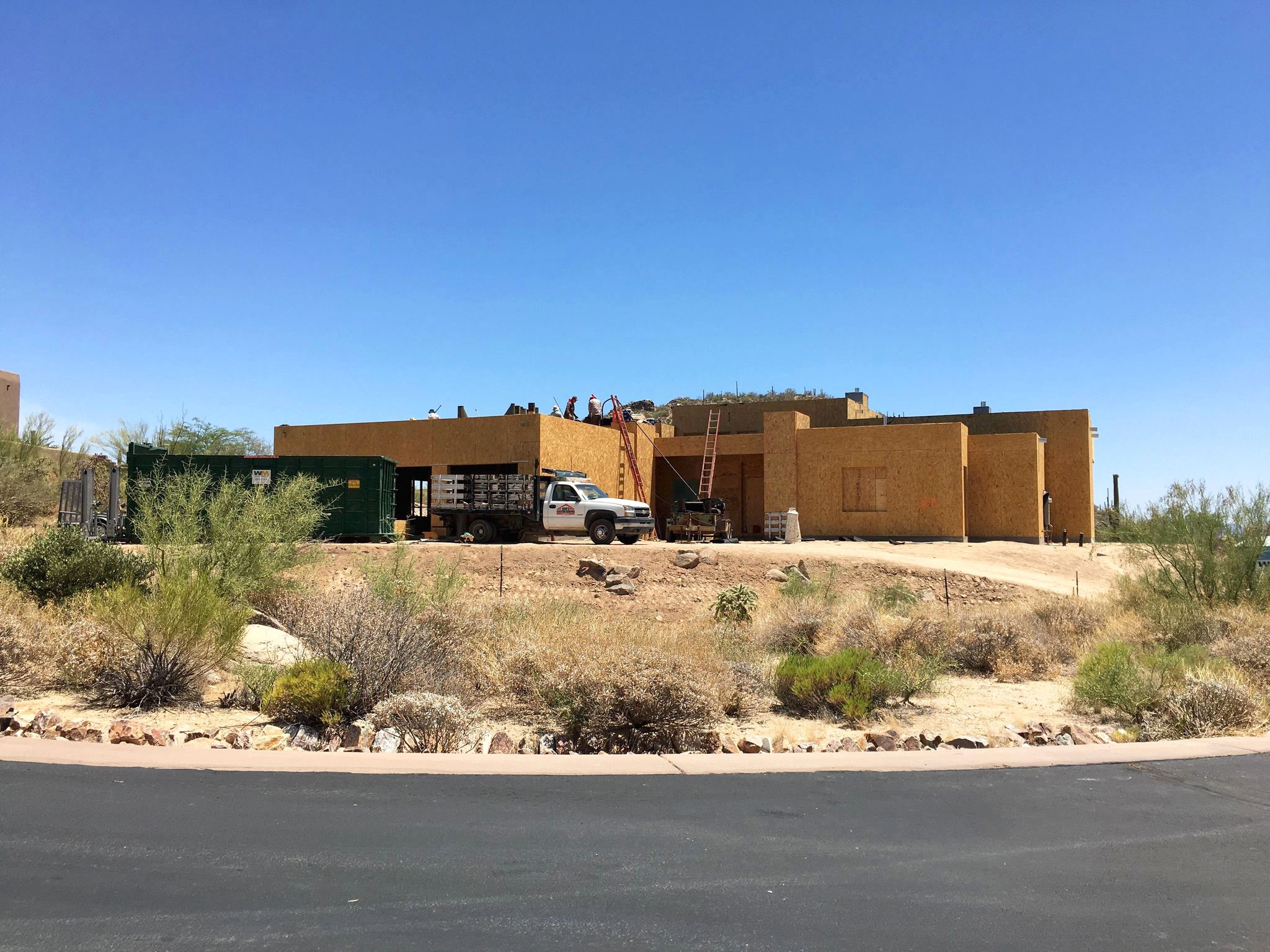
The Desert Climate Challenge
Extreme Heat Damages Roofing Materials
Summer surface temperatures on dark roofs reach 160-170 degrees in direct sunlight. This intense heat softens asphalt-based materials, making them vulnerable to damage. Adhesives lose bonding strength. Plastic components become brittle. Metal expands beyond design tolerances.
Temperature swings between day and night create constant stress. Materials expand in afternoon heat, then contract as temperatures drop 40-50 degrees overnight. This daily cycling stresses fasteners, opens seams, and cracks rigid materials.
UV Radiation Destroys Organic Materials
Tucson receives more annual sunshine than nearly any American city. This constant UV exposure breaks down organic compounds in roofing materials through photodegradation.
UV Damage Includes:
- Asphalt shingles lose protective granules
- Plastic components are yellow and cracked
- Metal finishes fade and chalk
- Sealants dry out and fail
- Organic materials become brittle
Roof surfaces facing south and west receive the most intense exposure. These areas often fail years before north-facing slopes on the same building.
Monsoon Season Tests Everything
July through September brings intense thunderstorms that challenge roof integrity. Sudden heavy rainfall overwhelms inadequate drainage systems. Wind gusts exceeding 60 miles per hour lift materials weakened by months of heat exposure.
Monsoon Threats:
- Wind speeds above 60 mph
- Heavy rainfall in minutes
- Occasional hail damage
- High humidity cycles
- Repeated wet-dry stress
Materials heated to extreme temperatures during the day absorb moisture during humid nights. This moisture penetration accelerates the deterioration of underlayment and decking materials.
Materials That Survive Desert Conditions
Tile Roofing: The Desert Standard
Clay and concrete tiles dominate Tucson residential architecture for sound reasons. These materials reflect solar radiation instead of absorbing heat. Surface temperatures remain 20-30 degrees cooler than asphalt shingles under identical conditions.
Tile Roofing Benefits:
- Clay tiles last 75+ years in desert conditions
- Concrete tiles provide 50+ years of service
- Excellent UV resistance
- Minimal thermal expansion
- Superior monsoon wind resistance
- Significant cooling cost reductions
The primary tile challenge involves matching discontinued patterns for repairs. Manufacturers change product lines regularly. Finding exact replacements for older tiles often requires specialized suppliers with salvaged inventory. Our Tucson tile yard maintains one of the largest inventories of salvaged and discontinued tiles, solving the matching problem that frustrates homeowners throughout Southern Arizona.
Architectural Shingles with Desert Ratings
Quality architectural shingles offer affordable protection when selected carefully. Products specifically rated for extreme climates incorporate reflective granules and enhanced adhesives. Learn more about our residential shingle installation services, explicitly designed for Tucson’s climate.
Desert Shingle Features:
- Impact-resistant Class 4 ratings
- Reflective granule technology
- Enhanced adhesive systems
- Light color options
- 20-25 year lifespan in Tucson
Light-colored shingles perform better than dark options. Reflective surfaces reduce heat absorption substantially. This temperature difference extends shingle life while lowering cooling costs.
Cool Roof Coating Systems
Reflective roof coatings transform existing systems into energy-efficient surfaces. Elastomeric, silicone, and aluminum coatings create highly reflective barriers that dramatically reduce surface temperatures.
Coating Advantages:
- Surface temperature reductions of 30-40 degrees
- Cost 40-60% less than replacement
- Add 10-15 years of service life
- Seal minor surface defects
- Improve energy efficiency immediately
A properly coated roof might reach 130 degrees instead of 160 degrees under identical sun exposure. These temperature reductions significantly extend the underlying roof’s life.
Installation Techniques for Desert Success
Proper Ventilation Removes Extreme Heat
Adequate attic ventilation removes heat that radiates downward into living spaces. Tucson attics regularly reach 150-170 degrees during summer afternoons. This heat load forces air conditioning systems to work continuously.
Effective Ventilation Includes:
- Soffit intake vents at eaves
- Ridge or high-mounted exhaust vents
- Balanced airflow design
- Proper vent area calculations
- Integration with insulation systems
Balanced ventilation systems combine intake and exhaust vents. Temperature differences drive continuous airflow that removes trapped heat. Properly designed systems calculate required vent area based on attic volume.
Enhanced Attachment Resists Wind Damage
Monsoon winds concentrate tremendous force at roof edges and ridges. Standard fastening patterns adequate elsewhere prove insufficient during severe Tucson storms.
Wind-Resistant Installation:
- Additional fasteners in vulnerable areas
- Mechanical attachment systems
- Reinforced ridge caps
- Enhanced edge sealing
- Proper fastener selection for thermal cycling
Ridge caps and edge details receive particular attention. These areas experience the highest wind forces during storms. Reinforced attachment prevents progressive failures that begin at edges.
Professional Installation Makes the Difference
Desert conditions demand expertise beyond standard residential practices. Contractors experienced with Tucson’s climate understand preparation requirements and installation techniques that ensure longevity.
Proper installation proves as important as material selection. Shortcuts during preparation or installation guarantee premature failure regardless of product quality.
Maintenance Strategies That Extend Roof Life
Annual Inspections Before Monsoon Season
Proactive maintenance extends roof life substantially in Tucson’s demanding climate. Regular professional attention identifies developing problems when repairs remain simple and affordable.
Inspection Timing:
- Schedule your roof inspection in May or June annually
- Before monsoon season begins
- After severe weather events
- When visible damage appears
- Before selling property
Annual inspections catch problems before summer storms test them. Addressing issues in May prevents emergency repairs during July monsoons when contractors stay overwhelmed with storm damage calls.
Regular Debris Removal Prevents Problems
Debris removal proves particularly important in desert conditions. Palo verde seed pods, dust accumulation, and wind-blown materials collect in valleys and against transitions. Our professional roof cleaning services safely remove accumulated debris before it damages your roofing system or blocks critical drainage paths.
Debris Concerns:
- Blocks water drainage during monsoons
- Holds moisture against materials
- Accelerates deterioration
- Creates leak entry points
- Attracts pests and animals
These accumulations dam water flow during monsoons, forcing moisture under materials and creating leak pathways.
Sealant Renewal Prevents Water Intrusion
Intense UV exposure and thermal cycling crack sealants faster in Tucson than elsewhere. Periodic renewal using quality products rated for extreme conditions prevents leaks around vents, skylights, and equipment mounts. If you suspect sealant failures are causing leaks, our roof leak detection services use advanced methods to identify the problem accurately.
Areas Requiring Sealant Attention:
- Vent pipe penetrations
- Skylight perimeters
- HVAC equipment curbs
- Chimney flashing
- Wall-to-roof transitions
Professional sealant renewal extends roof life years beyond neglected systems.
Energy Efficiency in Desert Roofing
Reflective Materials Reduce Cooling Costs
Desert roofing decisions significantly impact cooling costs. Large roof areas absorbing intense solar radiation transfer tremendous heat loads into buildings.
Reflective roofing reduces surface temperatures by 30-50 degrees compared to dark materials. This temperature difference translates directly into lower air conditioning demand.
Energy Benefits:
- Reduced monthly electricity bills
- Extended air conditioning equipment life
- Improved indoor comfort
- Lower peak demand charges
- Faster return on investment
On commercial buildings with extensive roof areas, monthly electricity savings often justify premium cool roof investments within three to five years.
Proper Insulation Works with Reflective Roofing
Tucson building codes specify minimum insulation values. Exceeding minimums during roof replacement pays dividends throughout remaining building life.
The combination of reflective surfaces and adequate insulation creates systems that minimize heat transfer into occupied spaces. This dual approach delivers maximum energy efficiency.
Making Smart Desert Roofing Decisions
Work with Local Desert Experts
Roofing in Tucson’s extreme desert climate requires specialized knowledge that general contractors from moderate climates cannot provide. Materials must resist UV degradation, survive thermal cycling, and withstand monsoon testing.
Local Expertise Matters:
- Understanding of desert material performance
- Knowledge of monsoon wind patterns
- Experience with UV degradation rates
- Proper ventilation for extreme heat
- Drainage design for intense rainfall
Installation techniques must account for wind loads and heat expansion beyond standard residential requirements.
Balance Initial Cost with Long-Term Performance
Successful desert roofing balances initial costs against long-term performance. Cheap installations using inadequate materials fail prematurely, requiring premature replacement that costs more than quality installations.
Investment Considerations:
- Material lifespan in desert conditions
- Energy efficiency savings over time
- Maintenance requirements and costs
- Warranty coverage and terms
- Contractor experience and reputation
Experienced local contractors understand these tradeoffs, guiding property owners toward solutions that actually perform in Southern Arizona conditions.
Plan for Desert Climate Realities
Materials rated for 30 years elsewhere might last only 20 years in Tucson. This accelerated aging reflects the compound stress of heat, UV exposure, and monsoon testing.
Planning replacement budgets based on realistic desert lifespans prevents financial surprises. Regular maintenance extends these lifespans while protecting investments.
Protect Your Tucson Property
Bob’s Custom Roofing has protected Tucson properties since 1972, learning through decades of desert experience what actually works in extreme conditions. Our installations reflect this specialized knowledge, using materials and techniques proven across thousands of local projects.
Whether installing new roofs, replacing aging systems, or maintaining existing protection, we deliver solutions engineered specifically for Tucson’s demanding climate. Our team understands that desert roofing requires different approaches than contractors in moderate climates use.