
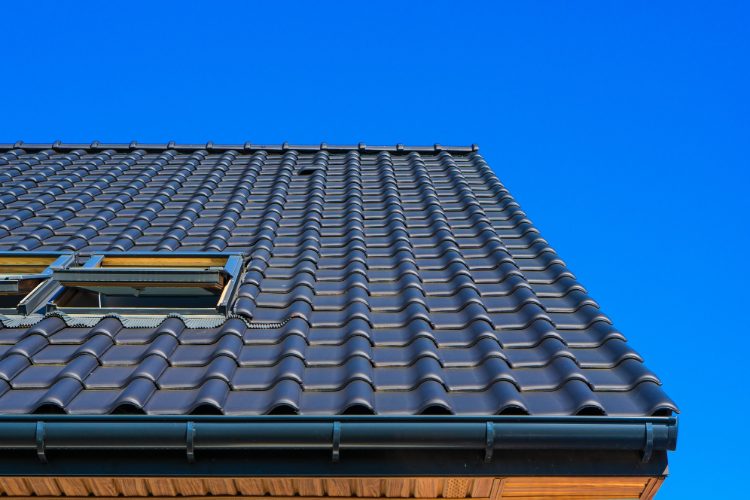
When considering whether to choose tile or shingle roofing for your Tucson residence, you’re making a choice that will impact the property’s worth, energy costs, and maintenance needs for many years to come. The decision between these two roofing materials in Arizona’s desert climate encompasses more than just visual appeal or upfront costs. Your roof endures over 350 days of powerful UV exposure, sweltering summer temperatures that can exceed 110°F, and monsoon storms that can deliver an entire year’s rain in a matter of minutes.
Tile roofs generally have a lifespan of 50-100 years in Tucson and tend to reflect more heat, whereas shingle roofs are typically more affordable upfront, costing 40-60% less, but require replacement every 15-25 years. Ultimately, your decision hinges on your home’s structure, budgetary constraints, and whether your focus is on immediate savings or long-term investment.
What Are the Costs of Tile and Shingle Roofs in Tucson?
The disparity in cost between tile and shingle roofs significantly influences the choices made by homeowners. In Tucson’s 2026 market, installing asphalt shingles typically ranges from $8,000 to $15,000 for a home covering 2,000 square feet. In contrast, installations of clay or concrete tiles begin at $16,000 and can go up to $30,000 for the same area.
However, these figures tell only part of the story. Shingle roofs require full replacement every 15-25 years under Arizona’s harsh sunlight. Tile roofs, although they need underlayment replacement every 20-30 years (costing between $6,000 and $10,000), can use their surface materials for up to 50-100 years. Over a 50-year ownership span, you might find yourself replacing shingles three times as opposed to refreshing the underlayment of tile just once.
Hidden Costs That Are Often Overlooked
The structure of your home determines if tile roofing is a viable option. Concrete tiles weigh between 750-900 pounds per square (100 square feet), while asphalt shingles weigh only 200-350 pounds. Homes constructed before 1985 may necessitate $5,000-15,000 in structural enhancements before accommodating tile.
Additionally, insurance costs vary. Many insurance companies in Arizona provide discounts ranging from 5-20% for impact-resistant tile roofs, especially in areas prone to hail north of Phoenix. Some insurers even refuse to cover shingle roofs older than 20 years, leading homeowners to replace them prematurely.
Which Roofing Material Performs Better in Arizona’s Heat?
With Tucson experiencing over 4,300 cooling degree days each year, thermal performance is vital. Light-colored concrete tiles can reflect 70-80% of solar radiation, while standard dark shingles only manage to reflect 20-30%. This can lead to attic temperatures that are 10-25°F cooler under a tile roof.
Modern cool-roof shingles have significantly narrowed this gap. ENERGY STAR-rated shingles featuring reflective granules achieve 40-50% solar reflectance, halving the performance difference. Moreover, your attic ventilation system is as crucial as the surface material; effective airflow from soffit to ridge can reduce temperatures by an additional 15-20°F.
Thermal mass operates differently than most homeowners assume. Concrete tiles accumulate heat during the day and release it gradually at night, which can keep your home warmer after sunset. In contrast, thin asphalt shingles cool down more rapidly once the sun sets, which is advantageous for homes lacking proper insulation.
Actual Energy Savings Data
Research conducted by the University of Arizona indicates that well-ventilated tile roofs can lower cooling expenses by 15-22% compared to dark shingle roofs. Cool-roof shingles yield savings of 8-12%. For an average Tucson home that spends around $2,400 annually on cooling, this translates into savings of $360-528 with tile roofs, or $192-288 with cool shingles.
How Long Do Various Roofing Materials Last in the Desert Climate?
Manufacturer lifespan estimates assume optimal conditions that aren’t found in Southern Arizona. Our extreme thermal cycling (where temperature can swing by 50°F in just 12 hours) and intense UV exposure hasten wear and tear.
Concrete tiles can maintain their integrity for 50-100 years but may develop hairline cracks and surface erosion after 30-40 years. Clay tiles offer better resistance to UV degradation, lasting 75-100+ years, though they are more vulnerable to impact from hail or falling branches. Both types rely heavily on their underlayment, which decays more quickly than the tiles themselves.
Three-tab asphalt shingles typically last between 12-18 years in Tucson. Architectural shingles have a lifespan of 18-25 years, while premium impact-resistant shingles can endure for 25-30 years. The Department of Energy’s guidelines on cool roofs suggest that reflective shingles might last an additional 2-5 years owing to reduced thermal stress.
What Maintenance Is Required for Tile and Shingle Roofs?
Shingle roofs require annual professional inspections to identify issues like granule loss, curling, or sealing failures before they lead to leaks. Regular maintenance tasks include replacing shingles damaged by the wind ($200-500 per occurrence), resealing flashings every 5-7 years ($300-800), and cleaning out debris from roof valleys.
Tile roofs, while requiring less frequent maintenance, necessitate specialized care. Walking on tiles improperly can lead to cracking, hence repairs typically require skilled technicians. Common tile maintenance involves replacing broken tiles ($150-400 per tile, labor included), repointing ridge caps every 10-15 years ($8-15 per linear foot), and ensuring that underlayment remains intact where penetrations occur.
Considerations for Monsoon Season
Tucson’s intense summer storms challenge both types of roofs in different ways. Well-installed shingles can withstand winds of 70-90 mph; however, once a single shingle lifts, the remaining ones can quickly follow suit. On the other hand, tile roofs are better at resisting wind uplift but can crack from hail impacts or become airborne if not securely fastened. The durability of both systems largely depends on quality installation, as monsoon damage usually arises from inadequate workmanship rather than the materials themselves.
Commonly Asked Questions
Can I install solar panels on tile and shingle roofs?
Yes, installation varies greatly between the two. Shingle roofs facilitate direct mounting with sealed penetrations, averaging $200-400 per panel for the mounting hardware. For tile roofs, specialized brackets must be used to secure the panels beneath the tiles, eliminating the need to drill through them, which adds $400-800 per panel to installation costs. Some installers even opt to remove tiles from the mounting area and substitute them with composite shingle strips to simplify attachment.
Do tile roofs genuinely help keep homes cooler in summer?
Indeed, light-colored tile roofs can decrease attic temperatures by 10-25°F compared to dark shingle roofs, according to findings from the National Renewable Energy Laboratory. However, the overall cooling of your home is influenced more by insulation levels, radiant barriers, and ventilation than by roofing material alone. Additionally, tile’s thermal mass can retain heat, keeping your home warmer into the evening hours, something to consider if you prefer cooler nighttime conditions.
Which roofing type contributes more to resale value in Tucson?
In established Tucson neighborhoods where tile is common, tile roofs often add 5-8% to the home’s value. In areas where shingles are more prevalent, the increase in property value typically drops to 2-4%. Buyers tend to pay premiums for newer roofs regardless of the material, with 5-year-old tile roofs and brand-new shingle roofs generating similar value boosts.
How do HOA rules affect roofing decisions?
Numerous Tucson HOAs stipulate specific roofing materials or colors to maintain the aesthetic uniformity of neighborhoods. In foothill areas, tile is often mandated, while newer developments may permit architectural shingles in approved color schemes. It’s essential to review CC&Rs before arranging any roof installation, as materials that do not comply can lead to fines and forced replacements.
Making Your Final Choice: Tile or Shingle?
Select tile if you plan to remain in your home for 15 years or longer, can manage the upfront costs, and have a structure that can bear the weight. Tile is especially advantageous for south-facing roofs that receive intense sunlight, homes in historical districts where tile complements architectural style, and properties where long-term value is more critical than initial expenditure.
Opt for shingles if you’re looking for the most budget-friendly option initially, anticipate selling within the next 10 years, or desire the flexibility to add solar installations later. Modern architectural shingles with cool-roof technology provide fair longevity and energy efficiency at half the cost of tile. Additionally, shingles are suitable for homes needing frequent repairs or modifications, as individual sections can easily be replaced.
Consider hybrid solutions as well. Some homeowners in Tucson choose to place tile on the highly visible front sections and shingles on the less noticeable rear portions, thus merging aesthetic appeal with budget considerations. Others may select concrete tiles designed to resemble shingles, utilizing tile durability while maintaining architectural flexibility.
Ultimately, your choice between tile and shingle roofing will depend on your unique circumstances: budget limitations, structural compatibility, energy goals, and how long you plan to own the property. Both materials effectively protect homes in Tucson when properly installed and maintained. Schedule a professional evaluation to assess your current roofing structure, explore materials suited to your home’s architectural style, and obtain precise estimates for both tile and shingle installations. A skilled roofing contractor can help pinpoint distinct factors related to your property that may favor one material over the other.